Boston College · Carroll School of Management

Go Eagles!

AnshSattiraju

I organize people, plans and budgets.

First-year student at Boston College’s Carroll School of Management, co-owner of Nut Free Baker and former class president of 200+ students. I like problems where a plan has to survive real conditions.

Westwood, MA / Chestnut Hill, MAClass of 2030 / Student portfolio

01 / Leadership

Plans that had
to work on the day.

Proms, tournaments, wedding orders and a camp full of kids all have the same test: did the plan hold up when real people showed up?

Sep 2024 – Jun 2026

$90KSenior prom budget

Class President

Planned senior prom on a $90,000 budget and senior spirit week on an $80,000 budget, plus field trips; represented 200+ classmates and worked with administrators on student proposals.

Aug 2022 – present

3Weddings catered

Nut Free Baker co-owner

Designed the logo, create recipes, source ingredients and plan, bake and deliver large orders, which I did around a full high-school schedule; helped place us at Comella’s restaurant for weekly revenue.

2023 – 2025

NFBFCIndoor soccer club

Co-founder

Started a community indoor club sponsored by Nut Free Baker; organized tournaments and coached players toward varsity soccer.

Jul 2025

6Pitches judged

Babson youth competition judge

Judged a Shark Tank–style competition for students aged 10–13 and gave feedback drawn from running the bakery.

I was also the starting goalkeeper on Westwood High’s varsity team (Aug 2024 – Nov 2025), a camp counselor responsible for 20+ children a day, and a youth coach and referee.

02 / Operations & research lab

Decisions under
uncertainty.

Real questions from running a bakery: how much to bake for an event, how to price through inflation (with government data), how to budget an event (I planned a $90,000 senior prom) and how to avoid a cash crunch.

Bakery decisions, modeled

A flagship model and three interactive projects
Flagship projectReal scenario · example numbers
Bake
Recommended batch vs. our gut-feel guess

Research model

Event Bake Planner

Built on a decision we face at every Westwood Day: bake too few and we turn customers away; bake too many and the money goes in the bin. Enter the price, the cost and a range for the crowd, and the planner says how many to bake, how much more that earns than going with your gut, and why.

02 / Operations labReal public data
Pricing
Flour prices since Jan 2020

Interactive modelReal data

Inflation and pricing

Real BLS price data for flour, bakery products and everything else since 2019. Enter a unit cost and price to see today’s cost and the price that would keep the same margin.

03 / Operations labIllustrative scenario
Event planning
Planned surplusUSD

Interactive model

Event budget scenarios

Change attendance, ticket price, sponsorship and contingency to compare the financial effect of different turnouts.

04 / Operations labIllustrative scenario
Cash timing
Cash at week 13USD

Interactive model

Thirteen weeks of cash

Follow invoices, collection delays and weekly outflows to see how a profitable operation can still face a cash gap.

Built with AI-assisted implementation as learning projects. Models marked real data use cited public sources (SEC EDGAR, Bureau of Labor Statistics); the others use illustrative or simulated inputs. Every model shows its method and limits and runs entirely in your browser. Nothing here is financial advice. New to these terms? Read the plain-English guide.

Plain-English guide

What the terms mean,
in everyday words.

You don’t need a finance background to follow these projects. Here is every term they use, explained simply, and how they were built.

Event Bake Planner

How many should we bake when we don’t know who will show up?

Newsvendor problem
The classic business question of how much to make when leftovers are wasted and demand is uncertain. Newspapers, bakeries and florists all face it.
Expected profit
The average profit if the same event happened many times with different crowds.
Demand range
The slowest, most likely and busiest crowd we think is possible. The planner considers every number in between.
Lost sale vs. leftover
Running out loses the profit on a sale; a leftover loses the cost of baking it. Whichever mistake costs more tells you which way to lean.
Chance of selling out
How often, across all the possible crowds, everything we baked would sell.

Inflation and pricing

What did inflation do to a bakery’s costs?

Inflation
The general rise in prices over time.
CPI (Consumer Price Index)
The U.S. government’s monthly measure of price changes, published by the Bureau of Labor Statistics. This model uses its real numbers for flour, bakery products and everything combined.
Index (start = 100)
A way to compare prices over time: if flour is 138 on the chart, it costs 38% more than at the start.
Margin
The share of the price left after the cost of making the item.

Event budget scenarios

Can the budget absorb a smaller turnout?

Fixed vs. variable costs
Fixed costs (such as the venue) stay the same; variable costs (such as food per guest) grow with attendance.
Contingency reserve
Money set aside for surprises, as a percent of the budget.
Scenario
A “what if” version of the plan, such as 25% fewer guests.
Break-even attendance
The fewest guests needed for ticket and sponsor money to cover the budget.

Thirteen weeks of cash

When does the money actually arrive?

Profit vs. cash
Profit counts a sale when it is made; cash counts it when the customer pays. A profitable business can still run short of cash.
Collection delay
How many weeks customers take to pay their invoices.
Cash gap
The extra starting cash needed so the bank balance never goes below zero.

How these projects were built

  1. 01

    The questions

    Each project starts from something I have actually had to decide: baking for an event, pricing through inflation, budgeting a prom, keeping enough cash on hand.

  2. 02

    Built with Claude

    The models were built with Claude, an AI assistant made by Anthropic. Claude wrote the code that runs on this page and the automated tests that check it.

  3. 03

    Checked, not assumed

    Every model uses a standard, published method, cited inside the model. Tests compare each result with an independent answer, and a separate AI reviewer checked the work; its corrections were made.

  4. 04

    Private by design

    The models run entirely in your browser. Nothing you type is saved or sent anywhere.

Open any model above and use “Method, assumptions and limits” to see the exact formula and its source.

03 / Nut Free Baker

From recipe
to delivery.

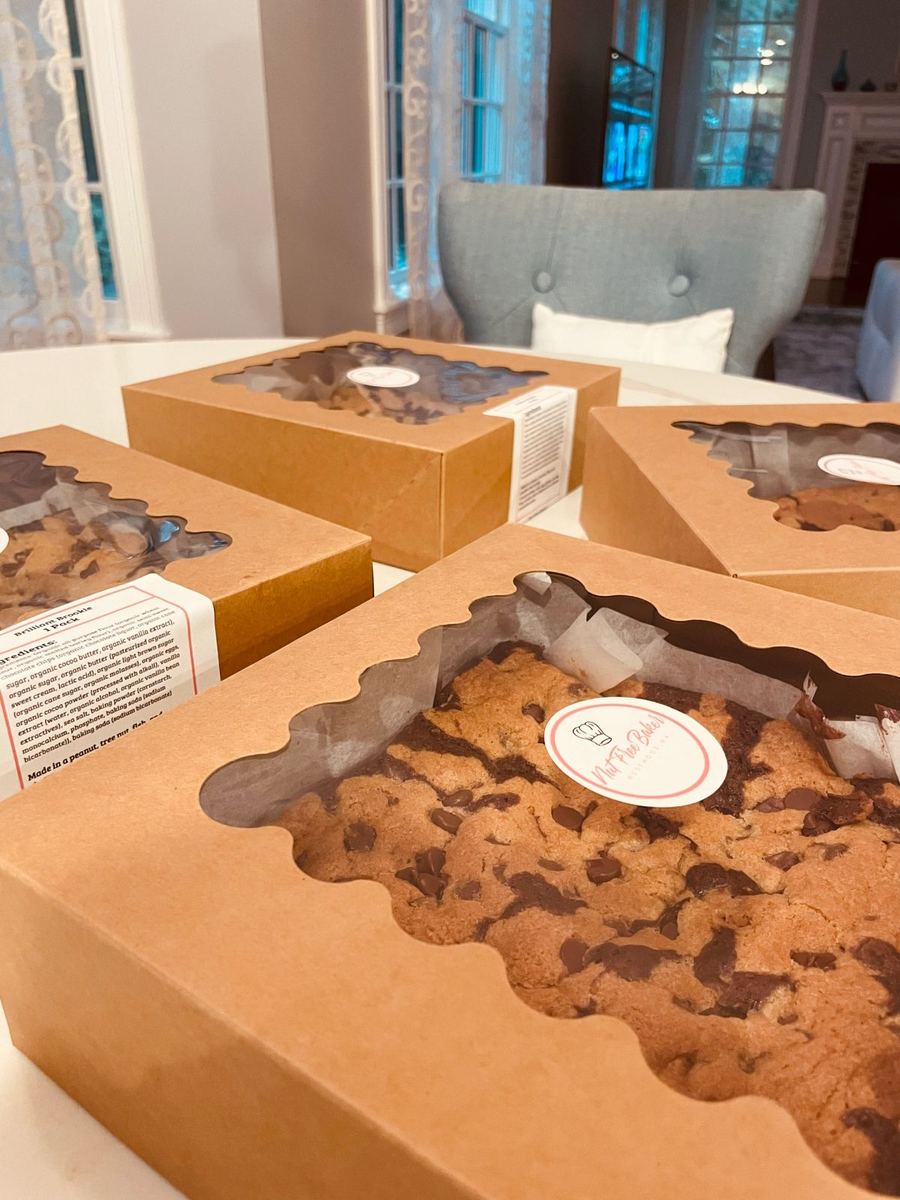
My twin brother Avik and I co-founded Nut Free Baker in 2022 and co-own it today. We make the big decisions together; my side is mostly getting orders made and delivered, and Avik’s is mostly marketing, communication and strategy. Together we have reached $30,000+ in revenue and 200+ customers.
Nut Free Baker logo: a chef’s hat above the words Nut Free Baker, Westwood, MA, on a coral background
The Nut Free Baker logo, which I designed.
  1. 01

    Brand

    I designed the Nut Free Baker logo and the look customers recognize at events and on Instagram.

  2. 02

    Recipes

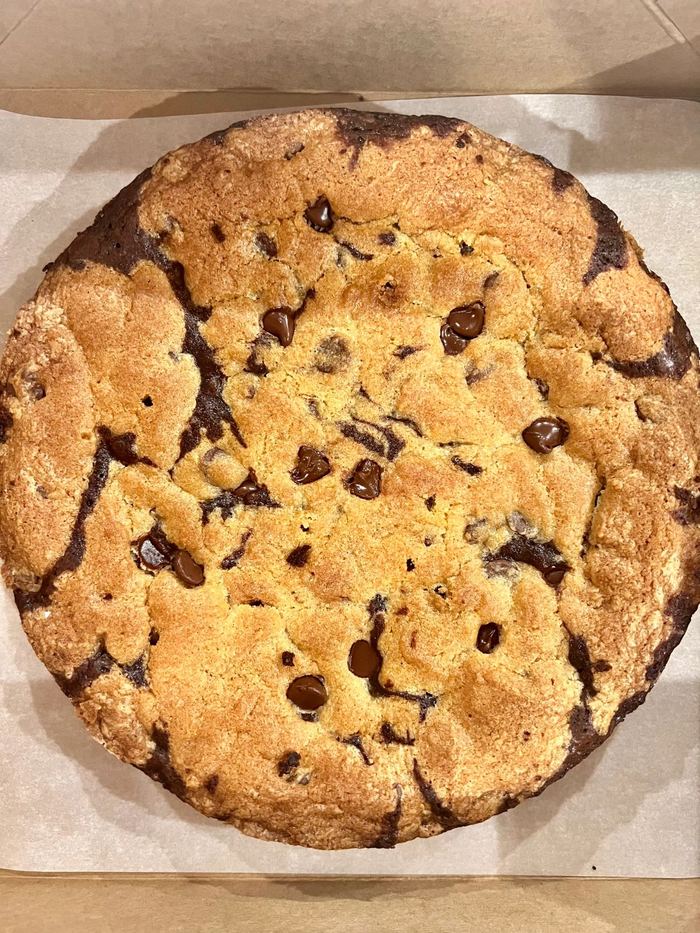
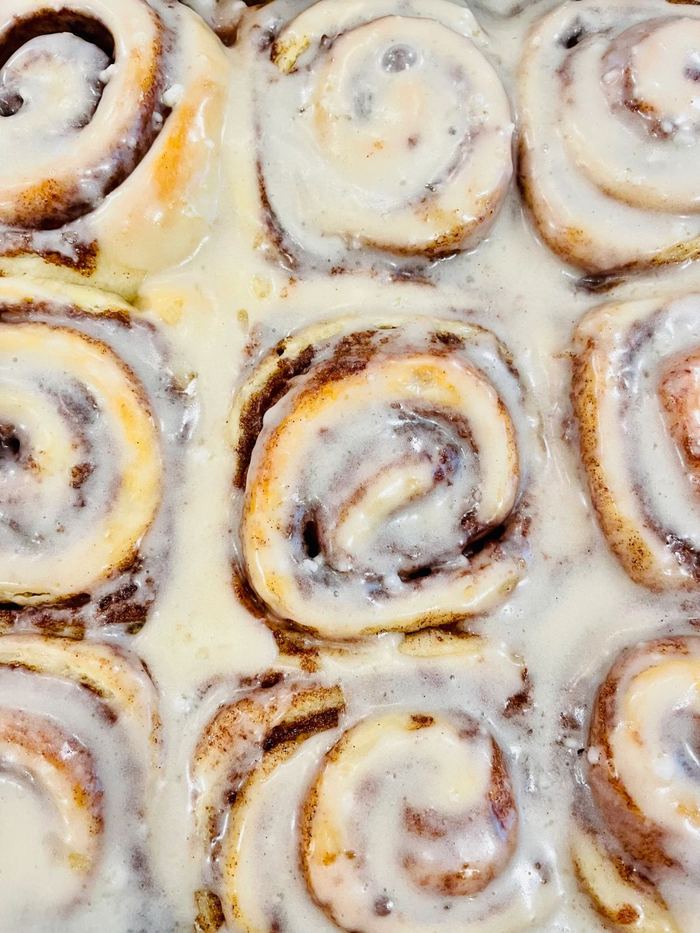
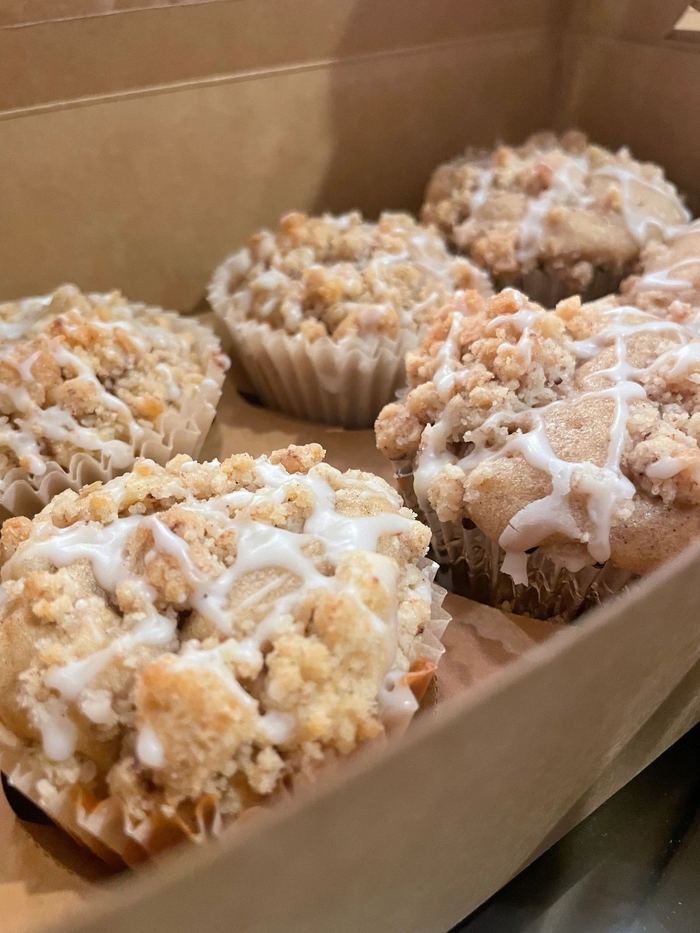
    I create recipes and keep experimenting with new ones, testing each until it is good enough to sell, with no nuts.

  3. 03

    Customers

    I work directly with customers on large orders such as weddings, agreeing what they need, how much and when.

  4. 04

    Sourcing

    I source the ingredients for each order, which keeps cost and quality under our control.

  5. 05

    Plan, bake, deliver

    I plan the bake, bake it and deliver it on time. Through high school I did this around a full class and varsity soccer schedule.

  6. 06

    Restaurant account

    I helped place Nut Free Baker at Comella’s, a local restaurant, which became a weekly recurring revenue stream.

Our work has included three weddings, four Westwood Day events and the weekly Comella’s account. The Westwood Media Center interviewed us about the business. See Avik’s side of the business.

04 / Experience

Experience

Every role on my résumé, most recent first.

Experience
Aug 2022 – presentNut Free BakerCo-founder & co-ownerLogo and brand, recipe development, ingredient sourcing, large customer orders (three weddings), bake planning and delivery around school; weekly revenue from Comella’s restaurant.
Sep 2024 – Jun 2026Westwood High SchoolClass presidentRepresented 200+ students; planned senior prom ($90,000 budget), senior spirit week ($80,000 budget) and field trips with administrators.
Summers 2025 & 2026Westwood Recreation DepartmentCamp counselorSupervised 20+ children daily and adapted activity plans to keep them safe and engaged.
Jul 2025Babson CollegeYouth Entrepreneurship Competition judgeEvaluated six business pitches from students aged 10–13.
Aug 2024 – Nov 2025Westwood High School Varsity SoccerStarting goalkeeperMentored younger players through practices, games and team events.
Summer 2024Showrunner, New YorkInternSupported projects at a venture-funded technology startup and learned its business processes.
2022 – 2024Westwood Youth SoccerVolunteer coach and paid refereeCoached U10 players; officiated youth matches.

05 / Education & programs

Learning by
building things.

Formal study, plus programs where I built something real.

Boston College, Carroll School of Management

Undergraduate management student, Chestnut Hill, MA. Westwood High School: 3.8 unweighted / 4.3 weighted GPA, seven AP courses, twice Westwood Weekly Student of the Month.

Babson Summer Study / NEIA Innovation Center

Built an AI-powered online tutoring website and developed a product concept to protect marine wildlife from boat-propeller injuries, working in international teams.

UMass Amherst Sports Management & Leadership

College-level course in sports business and leadership with industry professionals and UMass faculty.

Get in touch

Let’s build
on the experience.

I’m looking for internships in operations, consulting and business analysis, where planning, numbers and working with people all matter.

Ansh Sattiraju / Business experience

Co-founder and co-owner / 2022–present

Nut Free Baker

At Nut Free Baker, I work with my co-founder on production, finances, marketing and customer service. Our work has included three weddings, four Westwood Day events and a weekly restaurant supply relationship.

$30K+Cumulative business revenue
200+Customers served by the business
3Weddings served by the bakery

The business

A bakery specializing in nut-free baked goods, co-founded in Westwood in August 2022. Its customer base has grown to more than 200 customers, with over $30,000 in cumulative business revenue.

My responsibilities

  • Designed the Nut Free Baker logo and brand look.
  • Create recipes and experiment with new ones until they are ready to sell.
  • Work with customers on large orders, including three weddings.
  • Source ingredients, plan each bake, then bake and deliver the order; through high school I fit all of it around a full class and soccer schedule.
  • Helped place Nut Free Baker at Comella’s restaurant, creating a weekly recurring revenue stream.
  • Share marketing, finances and customer service with my co-founder.

Community and customers

Participated in four Westwood Day events and discussed the business in a Westwood Media Center interview. The bakery also maintains a website and Instagram presence.

How to read the numbers

Revenue and customer counts describe the shared business. Revenue is cumulative, not annual, and does not represent profit. The models on this site never use private bakery financial records; their inputs are illustrative, simulated or taken from cited public sources.

Ansh Sattiraju / Flagship project / ★

Illustrative data

How many should we bake when we don’t know who will show up?

We have run the Nut Free Baker table at four Westwood Day events. Baked goods do not keep, and turnout depends on weather and timing, so every event starts with one question: how many should we bake? Most people bake their best guess. This planner shows why that is usually the wrong number, and by how much. The scenario is real; the default numbers are examples, not our sales records.

★

How many should we bake when we don’t know who will show up?

AI-assisted model

A real decision we make before every Westwood Day. Baked goods don’t keep and the crowd is unpredictable, so the planner finds the batch size that earns the most on average. The scenario is real; the numbers are examples you can change.

Method, assumptions and limits

Demand is modeled as a triangle: anything from the slowest to the busiest day can happen, and the most likely number is the peak. For every possible batch size the model averages over all those demand levels: cookies sold (we cannot sell more than we baked), leftovers and missed sales. Expected profit = price × expected sold + leftover value × expected leftovers − cost × batch size. The best batch is the one with the highest expected profit. The shortcut behind it is a classic operations result called the newsvendor rule: keep baking while the chance of selling the next cookie is at least (cost − leftover value) ÷ (price − leftover value). The inputs are illustrative, not Nut Free Baker’s actual sales records.

Method background: the newsvendor model, a standard result in operations management (for example MIT OpenCourseWare 15.762J, Supply Chain Planning).

AI-assisted implementation prepared for portfolio development. Built as a learning project; methods are cited in each model. Calculations run in this browser; inputs are not transmitted or saved. This exercise is not financial advice. CSV downloads include the inputs and the data source.

Ansh Sattiraju / Operations lab / 02

Real public data · sources cited below

What inflation did to a bakery’s costs

Flour is a bakery’s biggest ingredient cost. This model uses the government’s own price indexes to show how much costs moved, and what that means for the price of one item.

02

What inflation did to a bakery’s costs

AI-assisted model

Real Bureau of Labor Statistics price indexes, applied to a small bakery’s unit cost and price.

Method, assumptions and limits

Ingredient costs are assumed to move with the CPI for flour and prepared flour mixes; the remaining costs (packaging, labor, utilities) with the all-items CPI. Today’s unit cost = starting cost × [share × flour index ratio + (1 − share) × all-items ratio]. The margin-preserving price scales the starting price by the same cost ratio. The bakery-products CPI shows what retail bakery prices did over the same period. These are national averages, not seasonally adjusted, and a single bakery’s costs will differ. BLS did not publish October 2025 CPI data, so that month is absent.

Data: U.S. Bureau of Labor Statistics, Consumer Price Index, series CUUR0000SEFA01 (flour and prepared flour mixes), CUUR0000SEFB (bakery products) and CUUR0000SA0 (all items), U.S. city average, retrieved 2026-10-20.

AI-assisted implementation prepared for portfolio development. Built as a learning project; methods are cited in each model. Calculations run in this browser; inputs are not transmitted or saved. This exercise is not financial advice. CSV downloads include the inputs and the data source.

Ansh Sattiraju / Operations lab / 03

Illustrative data

Can the budget absorb a smaller turnout?

A budget depends on assumptions about attendance and costs. This exercise separates fixed costs, variable costs and a contingency reserve; it does not use actual school budgets.

03

An event budget with room to breathe

AI-assisted model

What happens if fewer people attend, or a reserve is needed?

Method, assumptions and limits

Revenue = attendees × ticket price + sponsor funding. Budget including reserve = (fixed cost + attendees × variable cost) × (1 + reserve rate). Attendance scenarios are 75%, 100% and 120% of plan, rounded to whole attendees. The reserve is treated as committed budget. Sponsorship is fixed across scenarios. No probabilities, capacity constraints or cancellation costs are modeled. Break-even is the minimum attendance covering the budget; inspect the scenarios if additional attendees have negative contribution.

AI-assisted implementation prepared for portfolio development. Built as a learning project; methods are cited in each model. Calculations run in this browser; inputs are not transmitted or saved. This exercise is not financial advice. CSV downloads include the inputs and the data source.

Ansh Sattiraju / Operations lab / 04

Illustrative data

When does the money actually arrive?

The timing of receipts matters as much as a sales total. This exercise reconciles cash week by week and keeps uncollected invoices visible at the end of the horizon.

04

Profit is not the same as cash

AI-assisted model

A thirteen-week view of receipts, payments and the cost of waiting to get paid.

Method, assumptions and limits

Each week pays variable costs = sales × (1 − gross margin), plus fixed cash costs. Customers pay invoices after the selected whole-week delay. There are no opening receivables. The equipment purchase is paid in week one and is excluded from operating profit before depreciation. Ending receivables are invoices not yet collected. Taxes, interest, financing, opening payables and seasonality are excluded. The cash gap is the extra opening cash needed to avoid a negative modeled balance; it is not a borrowing recommendation.

AI-assisted implementation prepared for portfolio development. Built as a learning project; methods are cited in each model. Calculations run in this browser; inputs are not transmitted or saved. This exercise is not financial advice. CSV downloads include the inputs and the data source.